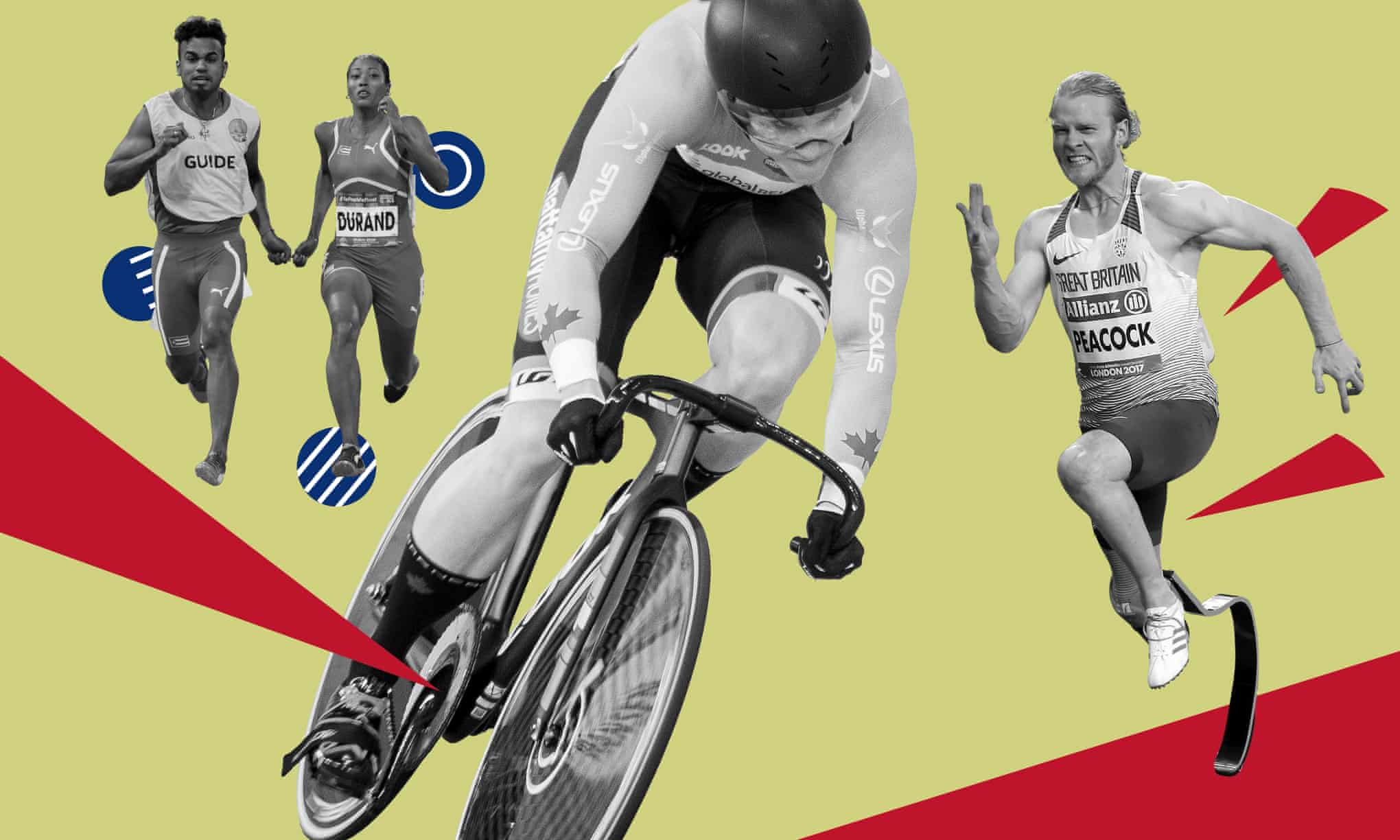
With the inspiring Paralympics having recently finished, it has provided another opportunity to celebrate ability, strength and humanity; no barriers, just stories of determination, achievement and overcoming challenges. If you want to watch something inspirational, I love this video montage with some of the stories from this year’s British team.
We are Masterchef fans in our household and I keenly noted that the show has included two contestants on this year’s UK Celebrity Masterchef with disabilities; Paralympian Kadeena Cox MBE and actress Melissa Johns. Bravo to the team behind the show for making that happen. Seeing role models on TV and across other media channels is starting to become a lot more noticeable as part of mainstream viewing.

During one of the shows, I remember Melissa saying how much she had tended to let others cook for her, but actually when she stepped in and led in the kitchen as part of her Masterchef experience, she realised how much she enjoyed it and how capable she was at creating interesting dishes. The show had someone on hand when she needed an extra bit of help, but on the whole she managed the cooking herself – it was inspiring to watch. Kadeena, who was diagnosed with MS in 2014, has been a joy to watch too, with her creative and natural flair.
It has made me reflect on how importance role models are and how, with some creative, simple adjustments, people with disabilities can be included.
Disability in the workplace
Nearly 1 in 5 of the working population has a disability and according to Scope, 1 in 3 disabled people still feel there is a lot of disability prejudge and that only 50% of disabled people are employed. As an able-bodied ally, I firstly reflect that I could possibly be one of the 20% of people who get a disability during their lifetime and what would that feel like, but secondly and more importantly, I reflect on the fact that we must do more to make society fairer and more equitable for people with disabilities, where barriers are removed and we are focused on ability, with people from diverse backgrounds, much like Paralympics inspires us to do.
Three things to consider when thinking about or discussing disability:
- Address the person first, not the disability – when you do discuss disability, be sensitive about the language used – I have a couple of examples where I have got language wrong. In these situations, it’s important to listen, understand the impact you’ve had and use it as an opportunity to educate others, but never shy away from talking about disability.
- The most powerful question I’ve been told you can ask is ‘what support do you need’? The answer will help you define what reasonable adjustments or accommodations are needed (if any) but most of all, allow the person with the disability to feel heard.
- Understand that not everyone sees themselves as having a disability – be mindful of that when talking to someone who has a condition that technically would fall under the definition of having a disability (e.g. someone with depression or hearing loss), depending to what extent it affects their day-to-day life, they not see their condition as a disability.
“Just because a man lacks the use of his eyes doesn’t mean he lacks vision.” Stevie Wonder
To all of the inspiring paralympians and everyone else who pushes past and sees beyond their disability to reach their potential, I salute you – you are a helping us to realise the power in embracing strengths and different abilities.

 Inclusion Now